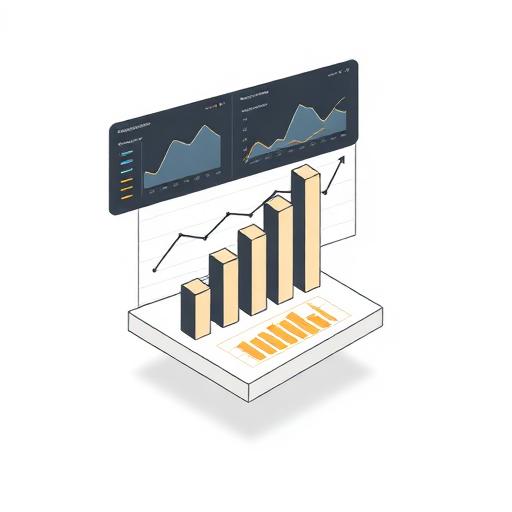
Manufacturing organisations across India consistently underperform against their theoretical capacity; not because of machine limitations, but because of invisible inefficiencies embedded in manual workflows. The gap between what a factory can produce and what it actually produces is often staggering.
The 65% Reality
Studies across sectors, garments, electronics assembly, packaging, and automotive components; consistently show that most factories operate at roughly 65% of their theoretical capacity. This is not a failure of machinery. Machines, when maintained, perform at specification. The loss lives in the spaces between: changeover delays, unbalanced lines, inconsistent operator pacing, and processes that nobody has formally measured in years.
Line supervisors often know where the problems are. But without structured data, their observations remain anecdotal, easy to dismiss in planning meetings, impossible to quantify for leadership.
Where the Loss Hides
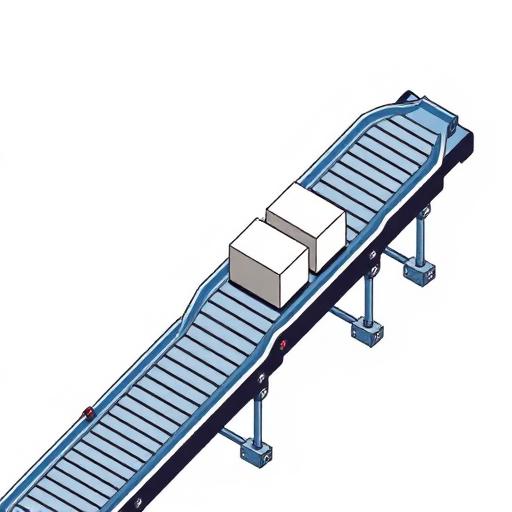
Production loss rarely announces itself. It accumulates in small, repeated patterns:
- A station that takes 20% longer than its neighbours, creating a constraint nobody formally tracks.
- Changeover procedures that vary by shift, adding 15 to 30 minutes of unplanned downtime daily.
- Process deviations that go unnoticed because compliance is checked manually, if at all.
- Idle time between tasks that compounds across dozens of operators over a full shift.
Each of these individually seems minor. Together, they account for the missing 35%.
The Visibility Problem
The core issue is not that these problems are unsolvable; it is that they are invisible. Traditional reporting gives you output counts. It does not tell you why Line 3 consistently underperforms on Tuesday afternoons, or why a particular station's process time drifts upward after lunch.
This is the gap that operational intelligence fills. By capturing station-level activity data continuously and structuring it into actionable metrics, factories gain the ability to see what has always been hidden in plain sight.
From Data to Action
Structured visibility changes the conversation. Instead of "we need to improve efficiency," teams can say: "Station 7 on Line 2 is our constraint, its average process time is 42 seconds against a target of 30, and it affects downstream throughput by 18%."
That specificity is what drives real improvement. It moves factories from reactive problem-solving to proactive optimisation, identifying issues before they compound, and measuring the impact of every change.
The Path to Full Potential
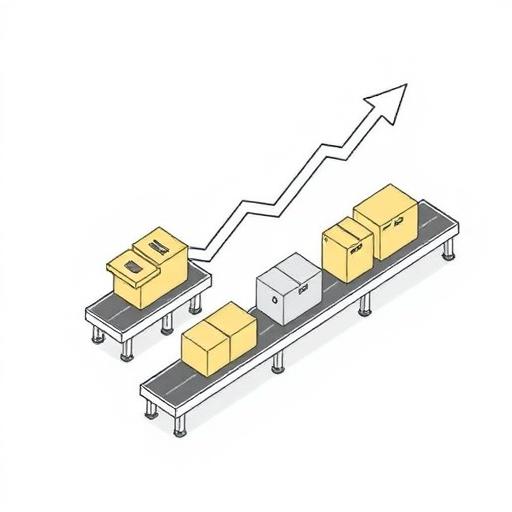
No factory will operate at 100%; some loss is inherent in any physical process. But the jump from 65% to 80% or 85% represents a transformation in output, margin, and competitiveness. And it does not require new machines, new layouts, or more workers. It requires seeing what is actually happening on the line, shift by shift, station by station.
That is the promise of operational intelligence: not more data, but the right data, structured, contextual, and immediately actionable.
See it in action
Ready to uncover your factory's hidden potential?
Zedral gives you station-level visibility from your existing infrastructure, no new hardware, no disruption.
Get in Touch